
From 2030 your ships must switch off at the quay. The grid at the berth may not be ready.
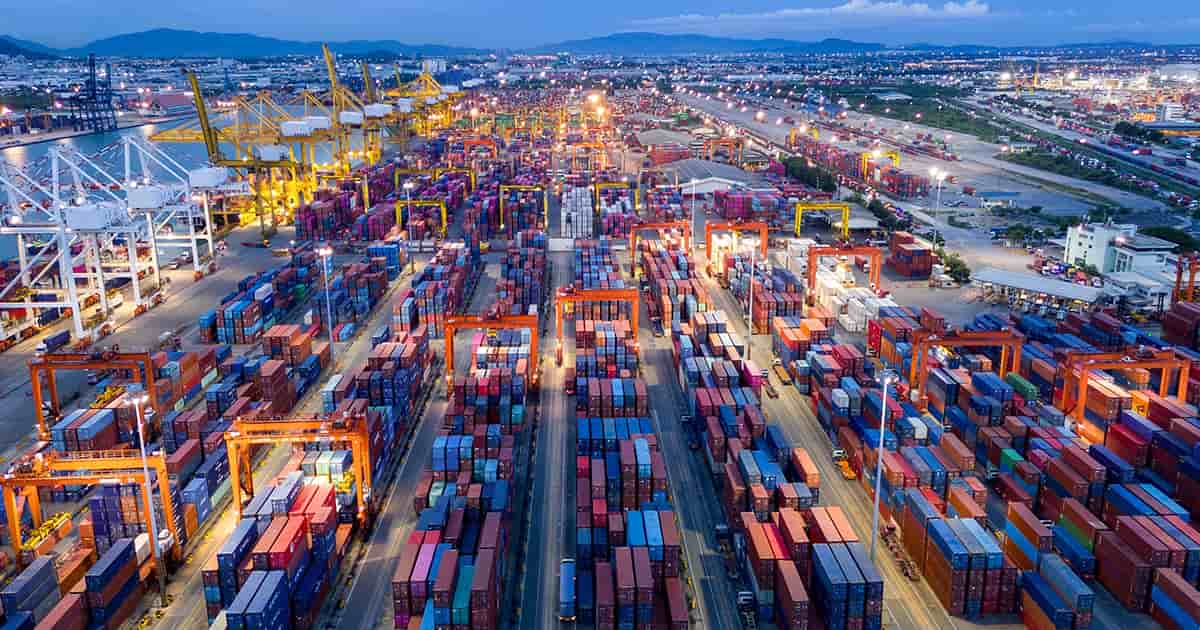
FuelEU Maritime requires large container and passenger ships to draw clean power at berth from 2030 instead of idling their engines.
The regulation is fixed. The infrastructure is behind.
From 1 January 2030, container and passenger ships above 5,000 GT must connect to onshore power or an equivalent zero-emission source at core EU ports, with non-compliance carrying penalties and even detention. Yet shore-power roll-out is far behind schedule, and a single berth can cost up to several million euros, much of it because urban ports are already fighting housing and industry for scarce grid capacity.
Storage decouples the berth from the grid's bad day.
A battery system at the quayside stores energy when the grid is calm and delivers the heavy, brief draw a moored ship needs without forcing a full network upgrade first. It lets a port meet the 2030 deadline on infrastructure it can actually build in time, and absorbs the seasonal and emergency swings that make raw grid supply unreliable for a ship on a schedule.
Why 247 Energy.
We are headquartered at the Port of Antwerp-Bruges and build energy infrastructure for exactly this environment. Our non-flammable supercapacitor storage suits a dense, safety-critical quayside, and our containerised power can bridge berths the grid has not yet reached. Compliance, delivered to the waterline.
Whitepaper
Supercapacitor or Lithium-Ion? A Buyer's Guide
Comparing commercial and industrial energy storage on safety, cycle life, temperature range, power, and total cost of ownership.
James Troch, CEO — 247 Energy · October 2025 · 10 pages