
Shore power lands on a port grid connection that was already close to its limit.
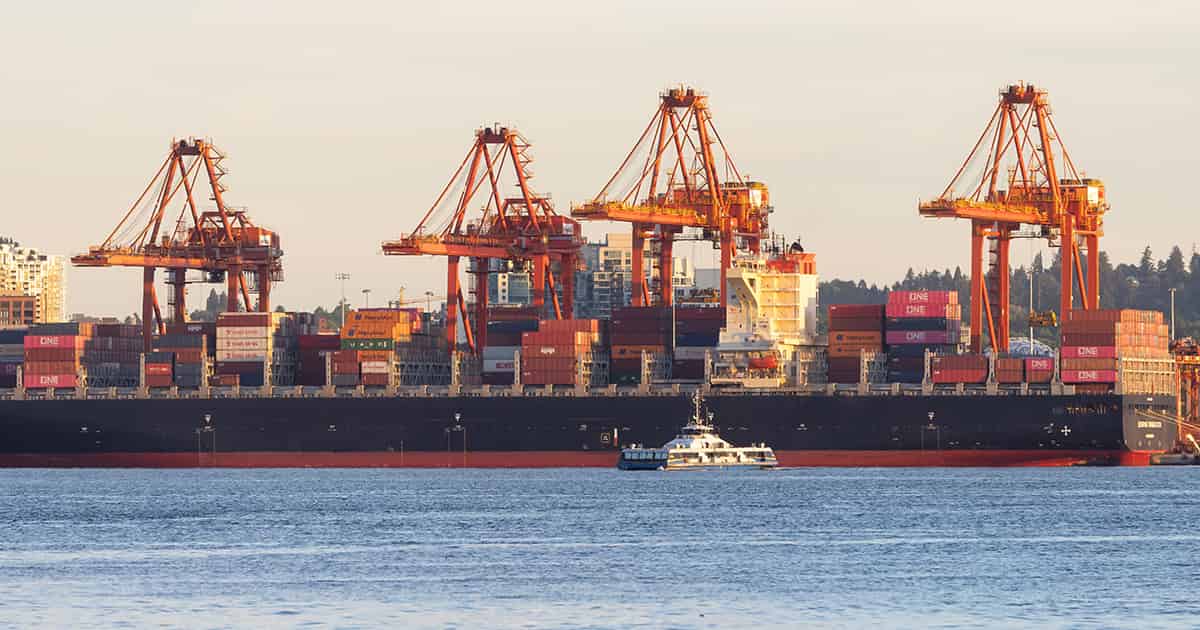
Ports run cranes, reefers and now shore power on a fixed grid connection. When demand spikes past the contracted limit, the choice is curtail operations or pay penalty charges.
A fixed connection, a rising load
A container terminal lives inside a fixed number. The grid connection is contracted at a set capacity, and everything on the quay competes for it: ship-to-shore cranes that swing in seconds, reefer racks that run day and night, yard equipment, and now shore power for berthed vessels under FuelEU Maritime. These loads do not arrive politely in turn. A crane lift, a cold-ironing connection and a bank of reefers can all peak in the same minute, pushing the site past its contracted ceiling, triggering penalty charges or forcing the operator to throttle the very operations that earn money.
A planner that keeps the site under the cap
An energy resource planning layer manages that ceiling for the port. It tracks every load and every source in real time, charges on-site storage when the quay is quiet, then releases it to cover the crane and shore-power peaks so the meter never crosses the contracted limit. When the grid falters, it can island the critical loads and keep the terminal working.
Why 247 ERP fits a port
247 ERP speaks the protocols port and grid systems already use, MODBUS together with IEC 61850, IEC 60870-101/104 and DNP3, so it sits on top of existing equipment rather than replacing it. Cost-first dispatch buys power in the cheapest hours, and a redundant, hardened control core keeps the quay supplied around the clock.
Whitepaper
Grid Congestion and the Bridge Past the Queue
How on-site storage and rapid containerised power let industrial sites grow when grid capacity has run out.
James Troch, CEO — 247 Energy · June 2026 · 10 pages