
LNG as a Bridge: How Containerised Gas Generation Is Closing the Renewable Gap.
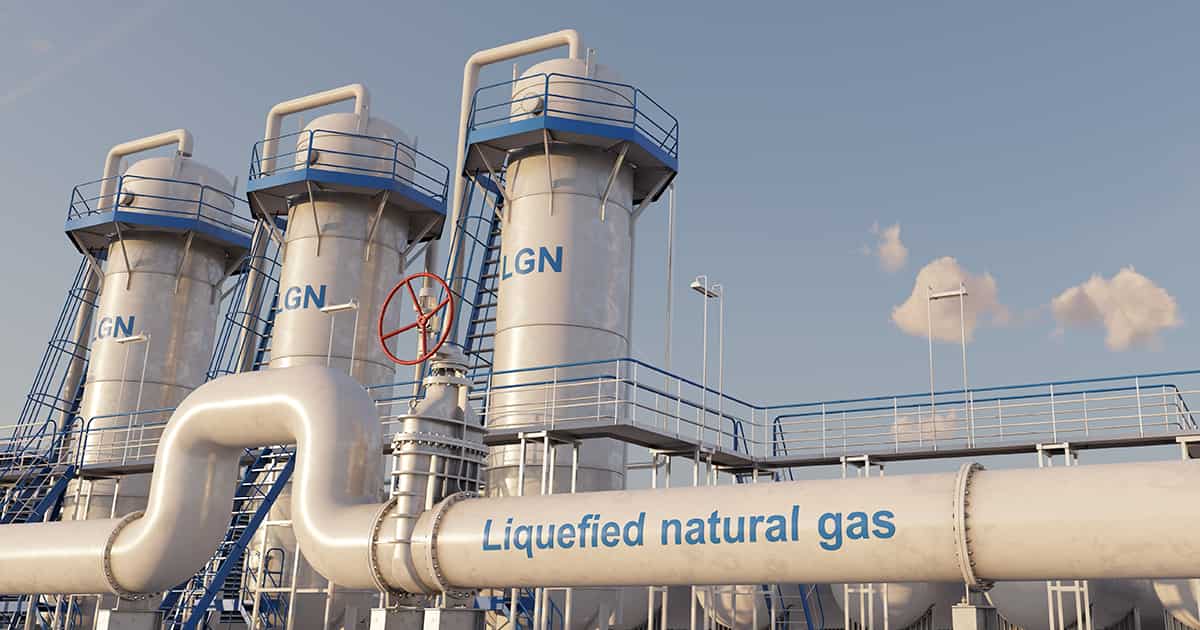
The energy transition requires baseload power in locations and time periods where renewables cannot yet deliver. Containerised LNG generation, with 25% lower CO₂, is a credible and deployable bridge.
The energy transition is not a single event with a fixed completion date. It is a complex, geographically uneven process in which the pace of renewable deployment, the development of transmission infrastructure, and the rate of demand electrification are rarely synchronised. The result is a persistent gap: locations and time periods where renewable capacity is insufficient, grid connections are absent or unreliable, and the standard fallback of diesel generation carries environmental and economic costs that are increasingly difficult to justify.
Liquefied natural gas generation, particularly in its modern containerised form, has emerged as a credible response to this gap. The technical case is straightforward. LNG combustion produces approximately 25 percent less CO₂ than diesel combustion for equivalent energy output. NOx emissions, which are the primary driver of local air quality impacts and a significant regulatory concern in industrial and port environments, are reduced by 99 percent compared to diesel. The total cost of operation, when fuel logistics, maintenance, and environmental compliance costs are included, runs approximately 50 percent below diesel over the operational life of the plant. These are not marginal improvements. They are step changes in both environmental performance and financial economics.
"25% less CO₂, 99% less NOx, and 50% lower total cost than diesel. These are not marginal improvements — they are step changes in environmental and financial performance." The containerised format changes the deployment equation Traditional LNG power generation required fixed infrastructure: substantial civil works, large fuel storage facilities, and lead times measured in years from project decision to first power. The containerised approach, as implemented in 247 Energy's patented LNG Containerised Unit, compresses that timeline to hours. The unit is transported as a standard shipping container, can be deployed on any level surface with appropriate fuel supply access, and achieves full operational readiness in under four hours. It is protected by a patent portfolio covering 69 countries, reflecting the originality of the engineering approach to portability and rapid commissioning.
This operational agility opens application categories that conventional power generation cannot address. Emergency and disaster response situations, where grid infrastructure has been damaged and fuel supply chains are disrupted, demand power generation that arrives rapidly and operates immediately. Construction sites at remote locations, mining operations in resource regions, and maritime and port facilities that cannot economically justify permanent grid connection all represent applications where the containerised format provides a fundamentally different value proposition from any fixed-plant alternative.
The port connection 247 Energy's location at the Port of Antwerp-Bruges is not incidental to its LNG capability. The Port of Antwerp-Bruges is one of Europe's principal LNG bunkering hubs, with established cold-chain logistics infrastructure and a community of maritime operators who are among the most sophisticated users of LNG as a fuel. That ecosystem provides both the supply chain access and the reference customer base from which 247 Energy's containerised LNG offering has developed. Port and maritime applications, where diesel is entrenched but environmental regulation is tightening rapidly under the International Maritime Organisation's decarbonisation framework, represent a natural early market.
"The Port of Antwerp-Bruges is not incidental — it is where Europe's LNG logistics infrastructure and 247 Energy's engineering capability converge." The bridge fuel debate is genuine and important. LNG is not a zero-carbon energy source, and it should not be represented as one. It is a lower-carbon, lower-pollutant alternative to diesel that can be deployed rapidly in locations and situations where renewable generation is not yet viable. Used correctly, with a clear transition pathway toward electrification as renewable capacity and grid infrastructure develop, it represents a pragmatic tool in the energy transition toolkit, one that reduces harm in the interim while the longer-term solution is built.
247 Energy is committed to that integrated view of the energy transition: BESS for the grid, supercapacitor storage for industry and commerce, and containerised LNG for the locations and time periods where reliable low-carbon baseload power cannot yet arrive from the grid.