
Breweries run on heat and cold a rural grid was never built to supply.
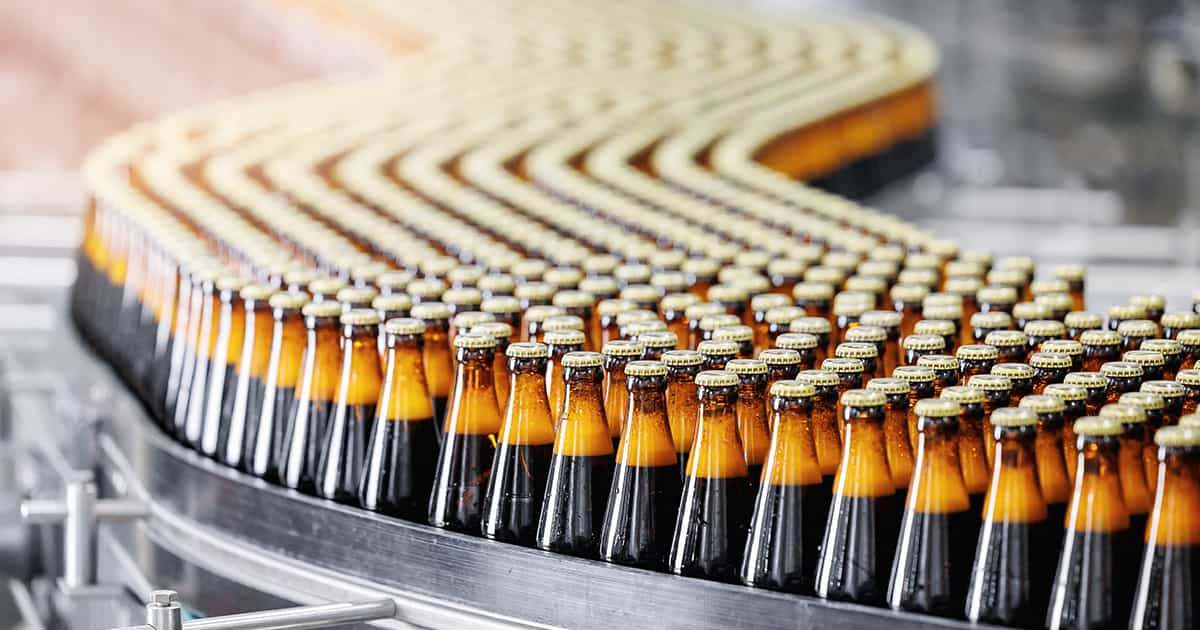
Breweries and distilleries swing between hot boiling and cold fermentation on weak rural connections, where every cleaning cycle and chiller start pushes the bill and tests power quality.
Big swings on a thin connection
A brewery or distillery is a heat-and-cold machine. Mash tuns and stills need intense process heat, while fermentation, conditioning and packaging need steady refrigeration. Clean-in-place cycles add sharp pumping and hot-water loads on top.
Many sites sit in rural or edge-of-town locations on a grid connection sized decades ago for far less, so demand peaks bump against the connection limit and trigger capacity charges. Add roof solar and the same operator is often told the grid will not accept the surplus.
Store the surplus, flatten the peak
On-site storage soaks up cheap night power and self-generated solar, then releases it when stills, chillers and pumps draw hardest. The connection sees a smoother, lower profile, the capacity charge eases, and surplus solar the grid refused is captured instead of clipped. The same store steadies voltage so a sensitive chiller compressor does not nuisance-trip.
Why 247 Energy
247 Energy supercapacitor storage holds full output with under 10% loss across a 15-year design life and more than 15,000 cycles, so a capital-light producer is not replacing cells mid-decade. Round-trip efficiency is 97.7%, so little of the stored solar is lost on the way back out. The systems are Belgian-built, and industrial operators such as Soudal already run the same architecture.
Whitepaper
Supercapacitor or Lithium-Ion? A Buyer's Guide
Comparing commercial and industrial energy storage on safety, cycle life, temperature range, power, and total cost of ownership.
James Troch, CEO — 247 Energy · October 2025 · 10 pages